Share
Tags:
Autoliv
Current Weather: 62Degrees Fahrenheit
Posted on: April 1, 2016
Posted by – Stephanie Carroll, Manager of Business Development & Community Relations
If you are like me, you get into your car, buckle your seatbelt and go on your merry way never giving a second thought to vehicle safety and all the components that keep you safe in the event of a crash. Trust me, there is a lot more technology involved in seatbelts and airbags than you think.
Swedish based Autoliv, a global leader in automotive safety, moved to Auburn Hills nearly 20 years ago. They launched the first seatbelt in 1956. I had the wonderful opportunity to spend Wednesday evening with the folks from Autoliv and members of the Swedish-American Chamber of Commerce of Detroit.

Staff gave us a behind-the-scenes tour of their impressive facility and they even had an airbag demonstration for us. They have testing sleds for flat barrier impact, side or rear impact, car to car, side or rear impact and even roll-over tests. The kind of information they are able to capture through the sensors, camera and crash test dummies, is quite astonishing.
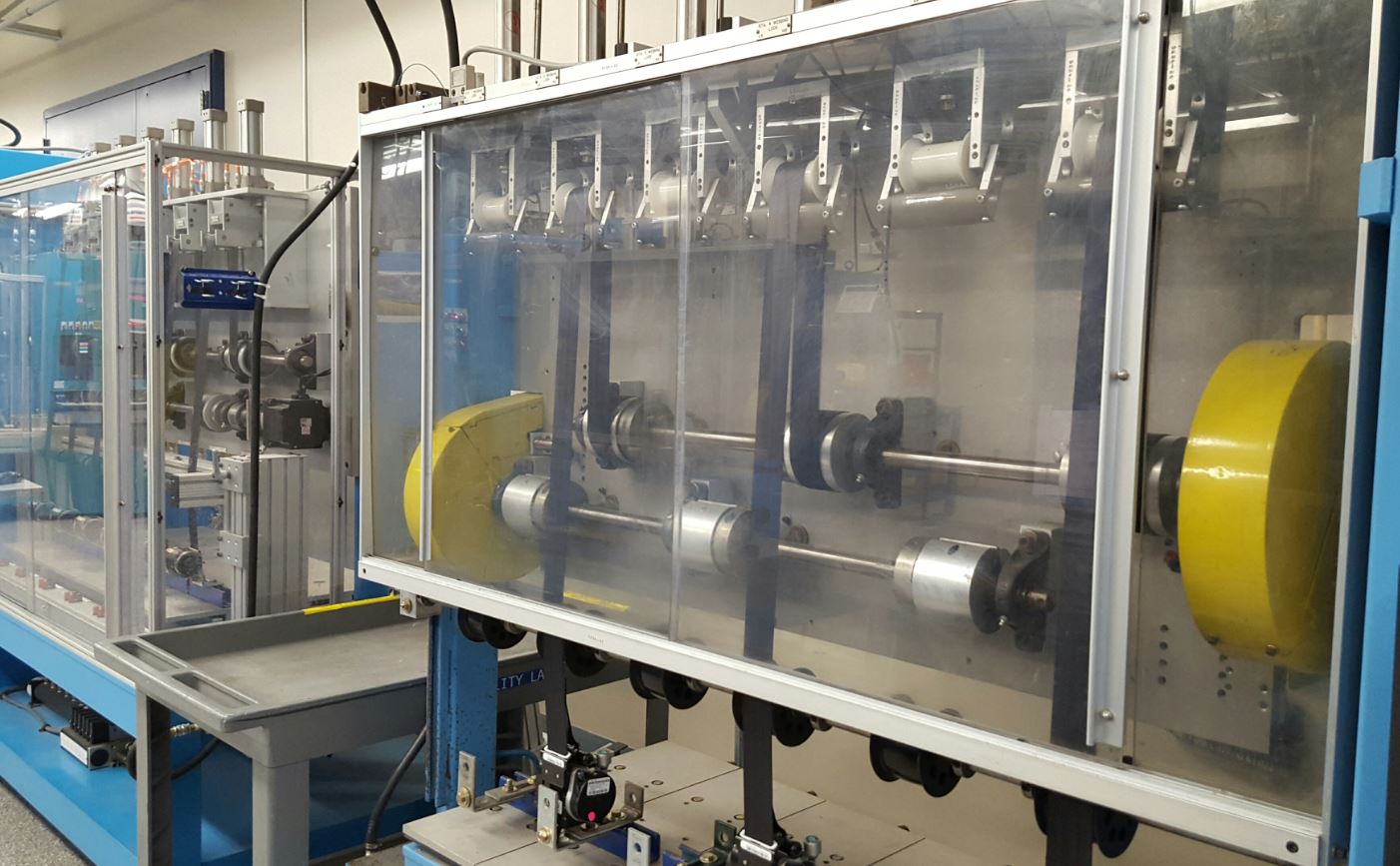
It was really fascinating to learn about all the active safety technologies they are developing. As autonomous vehicles continue to be developed, this type of innovative equipment is crucial. In addition to manufacturing seatbelts and airbags, Autoliv is the largest steering wheel manufacturer in the world.
So the next time you hear the click of your seatbelt, know that seatbelts save more than 13,000 lives annually.